All Categories
Featured

Addressing Spouse Career Barriers
Numerous brand-new developments might affect the employment of military service members and their households and employers' compliance commitments in 2026. Changes vary from proposals to increase rewards for hiring military spouses to enhanced work protections for service members while on task. Military spouse job opportunity and assistance stay a focus for pending legislation.
, presented previously in 2025.
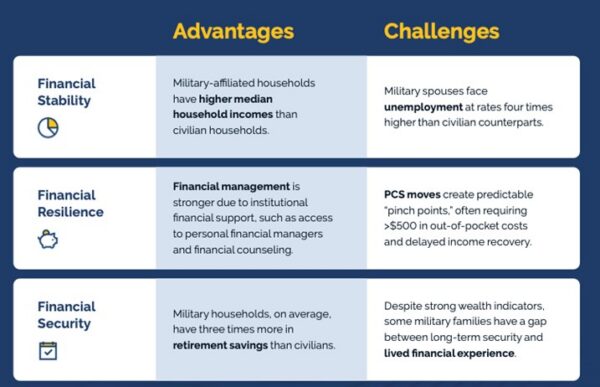
Frequent Relocations Regular relocations continue to strain military families and can make it more tough for employers to employ and keep military spouses. Broadening the WOTC could develop brand-new incentives for companies to work with military spouses and tap into this underutilized talent pool.
Analyzing Grant Options for Military Families
The U.S. Congress has not yet taken up the STAY Act this year, but if it is ultimately enacted, it could lead to minimized PCS relocations that might impact recruiting, retention, and remote-work policies for military partners. Military Re-Employment Protections Federal law already provides civilian work leave defenses for veterans and service members who are involuntarily or willingly deployed for military service.
In January 2025, Congress enacted the Senator Elizabeth Dole 21st Century Veterans Healthcare and Benefits Enhancement Act (Dole Act), that included arrangements affecting USERRA enforcement and solutions. The Dole Act boosted anti-retaliation protections and enabled complainants alleging USERRA infractions to look for minimum liquidated damages of $50,000 and attorneys' costs. Agencies and courts might continue to translate and use the Dole Act's USERRA-related arrangements.
New Employer Resources In January 2025, the U.S. Department of Labor's Veterans' Work and Training Service (DOL/VETS) launched a program for employers to seek assistance for making sure compliance. The Assistance and Assistance for Leaders in USERRA Training and Employment (SALUTE) program is an opportunity for employers to request technical assistance on USERRA-related questions or specific issues in their labor force before the onset of a DOL/VETS problem or lawsuit.
Top priority actions include evaluating USERRA compliance programs and training, updating military leave and reemployment policies, confirming health-benefit continuation procedures, and lining up hiring and tax-credit screening processes to rapidly record brand-new incentives for military spouses. Ogletree Deakins' brand-new Armed force Workforce Practice Group combines a group of attorneys, a lot of whom are veterans or presently serving in the Reserves or National Guard, who routinely advise on USERRA compliance, policy development, multistate implementation, and examinations and litigation.
Benefit Optimization Vs. Private Debt SolutionsAll client-users have access to Snapshots and Updates. Premium subscribers have access to information, updated templates, and other resources.
Top Career Success Tips
Tax day is. Have you submitted with MilTax yet? Whether you're just getting your documents together, hit a snag or need to declare an extension, we've got your back with complimentary filing software and tax pros ready to assist.
For 10 years, Hiring Our Heroes has actually promoted military partner work, producing pathways to opportunity and driving systemic modification. As we celebrate this turning point, the 10th Annual Armed Force Spouse Employment Top will honor the legacy of development while charting a bold course for the future. This year's top focuses on Management & Legacy as we acknowledge the spouses, employers, and advocates who have actually changed the employment landscape and prepared the next generation to flourish in an evolving workforce.
Together, we will build on a decade of service and success to produce a future where military partners lead with strength, vision, and function.
Benefit Optimization Vs. Private Debt SolutionsMilitary partners face one of the most consistent work gaps in the American workforce. According to data from the US Department of Labor, military partner joblessness has actually hovered around 20% or higher over the last few years. This far exceeds the nationwide average, which usually falls below 5%. An interview with Sarah Roder, Director of Collaborations & Member Engagement at Army Mutual and a military partner herself, shows how those obstacles play out in practice and how spouses can browse them more efficiently.

Latest Posts

Strategic Military Retirement Planning 2026

Enhancing Military Benefit Rewards During 2026
Effective VA Debt Relief Solutions for 2026