All Categories
Featured


Essential 2026 Cybersecurity Tips for Protecting Veteran Benefits
Table of Contents
- – Adapting to the Financial Environment for Mili...
- – Maximizing Monthly Compensation through Second...
- – Local Relief and Property Tax Exemptions in t...
- – Strategic Financial Planning and Debt Manageme...
- – The Role of Caregiver Support and Aid and Atte...
- – Navigating the Appeals Process in 2026
- – Preparing for Future Economic Adjustments

Adapting to the Financial Environment for Military Families in 2026
Veterans entering 2026 face an economic environment defined by fluctuating inflation and updated federal compensation scales. The cost-of-living adjustment for this year reflects the necessity of maintaining purchasing power for those who rely on disability payments as a primary or secondary income source. For many, navigating the complexities of the Department of Veterans Affairs (VA) requires more than just submitting paperwork. It involves a strategic understanding of how different benefits interact with modern tax laws and local relief programs.
Economic shifts in 2026 have led to a greater focus on internal audits within the VA, resulting in faster processing times for initial claims but stricter requirements for medical evidence. Former service members must ensure their medical records are current and specifically address the functional limitations caused by their service-connected conditions. This year, the emphasis on objective clinical data has surpassed the reliance on subjective self-reporting, making the role of private medical opinions and Disability Benefits Questionnaires (DBQs) more significant than ever.
Managing the transition from active duty to civilian life involves securing a financial foundation. Seeking expert guidance regarding Veteran Financial Services helps clarify complex eligibility criteria for those recently discharged. This support is particularly useful when determining which conditions qualify for presumptive status under the expanded legislative updates that have taken full effect by 2026.
Maximizing Monthly Compensation through Secondary Service Connections
One of the most effective ways to optimize disability benefits in 2026 is by identifying secondary service connections. A secondary condition is an illness or injury that is caused or aggravated by an existing service-connected disability. For example, a veteran with a service-connected knee injury might develop back problems due to an altered gait. In the 2026 regulatory environment, the VA has cleared more paths for these "linked" claims, acknowledging the long-term systemic impact of physical and mental trauma.
Mental health conditions often serve as a catalyst for secondary physical ailments. Veterans rated for Post-Traumatic Stress Disorder (PTSD) frequently experience associated conditions such as hypertension or sleep apnea. Documentation is key in these cases. Medical professionals must provide a clear "nexus" or link between the primary rated disability and the new secondary condition. In 2026, the use of independent medical examinations has become a standard practice for those looking to move from a 50% or 70% rating toward the 100% threshold.
The 2026 fiscal year has also seen a rise in the number of claims for Total Disability based on Individual Unemployability (TDIU). This benefit allows veterans to be paid at the 100% rate even if their combined rating is lower, provided their service-connected disabilities prevent them from maintaining "substantially gainful occupation." Many former service members find that Essential Veteran Mental Health offers substantial relief for families managing long-term medical expenses while unable to work in traditional roles.
Local Relief and Property Tax Exemptions in the Local Community
Federal compensation is only one piece of the puzzle. In 2026, many veterans are turning to state and local governments to further reduce their financial burden. Property tax exemptions remain one of the most valuable benefits for disabled veterans, though the rules vary significantly depending on the location. In the region, new legislation has recently adjusted the thresholds for these exemptions, allowing a broader range of veterans with lower disability ratings to qualify for partial or full tax relief.
Living in the local market often means dealing with rising property values, which can lead to higher tax bills. Veterans with a 100% permanent and total (P&T) rating frequently qualify for a complete waiver of property taxes on their primary residence. However, even those with ratings as low as 10% should investigate local ordinances. Some jurisdictions in 2026 have introduced "homestead" credits specifically for veterans, providing a fixed-dollar reduction in assessed value regardless of the disability percentage.
Local governments also offer various specialized grants and fee waivers. These can include reduced rates for vehicle registration, discounted hunting and fishing licenses, and even credits on utility bills for those with specific medical equipment needs. Staying informed about the unique opportunities in the local community ensures that no available financial assistance is left on the table.
Strategic Financial Planning and Debt Management in 2026
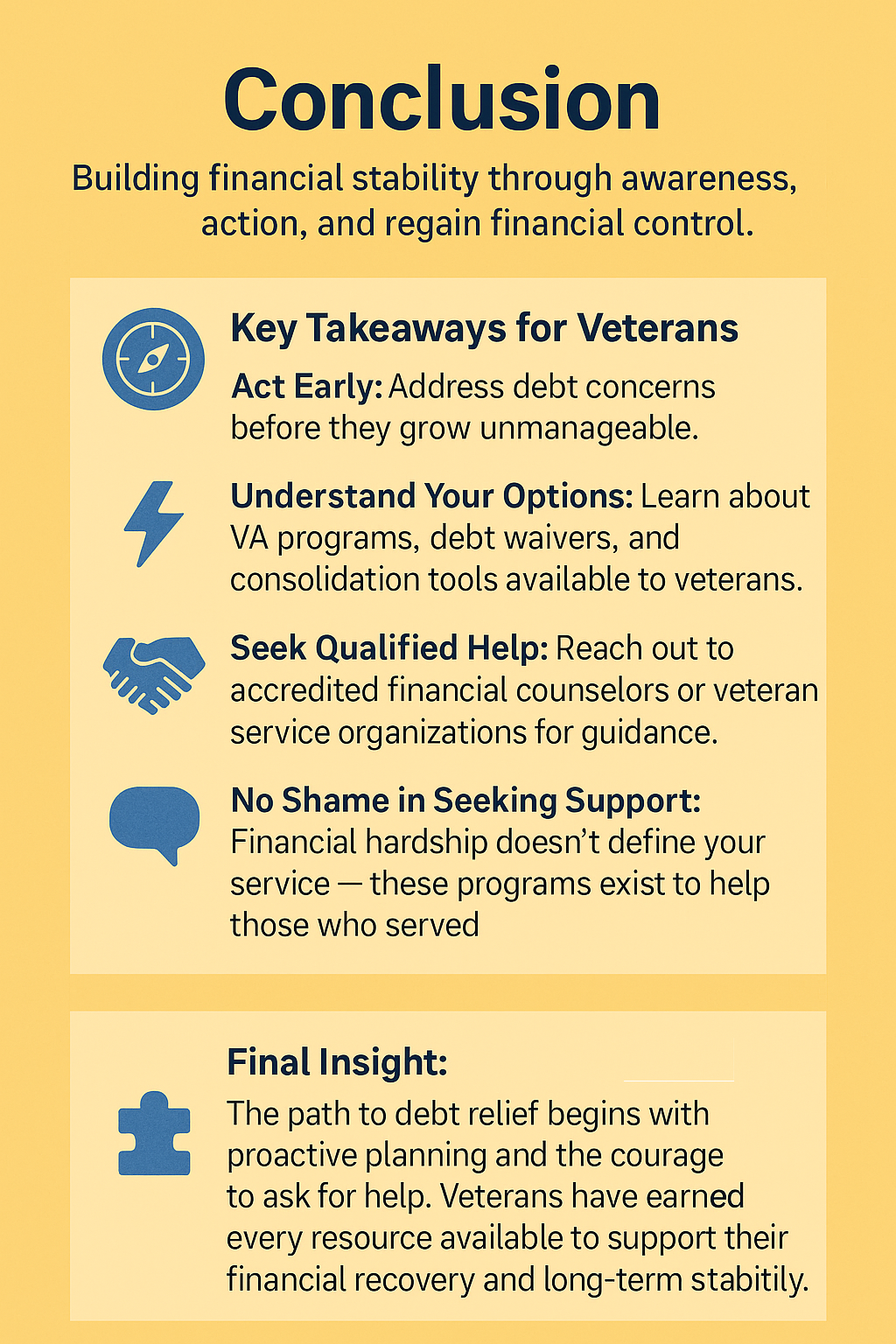
With the 2026 interest rate environment remaining higher than the previous decade, managing debt is a priority for many veteran households. VA home loans continue to be a primary tool for financial stability, offering competitive rates and no down payment requirements. In 2026, the VA has streamlined the process for Interest Rate Reduction Refinance Loans (IRRRLs), making it easier for those who bought homes during peak rate periods to lower their monthly obligations as market conditions shift.
Debt management also extends to student loans. Veterans who are rated 100% P&T are eligible for the Total and Permanent Disability (TPD) discharge program, which can wipe out federal student loan debt entirely. This program has been expanded in 2026 to include a more automated data-sharing process between the VA and the Department of Education, reducing the administrative hurdles for eligible borrowers. It is a life-altering benefit that can suddenly free up hundreds or thousands of dollars in a family's monthly budget.
For those struggling with credit card debt or high-interest personal loans, 2026 offers several veteran-specific credit unions and non-profit financial counseling services. These organizations understand the unique nature of military income, including the fact that VA disability compensation is non-taxable. This tax-exempt status is a major advantage during financial planning, as it allows veterans to qualify for certain low-income assistance programs even if their gross "take-home" pay is relatively high.
The Role of Caregiver Support and Aid and Attendance

As the veteran population ages in 2026, the need for long-term care and caregiver support has intensified. The Program of Comprehensive Assistance for Family Caregivers (PCAFC) has undergone significant updates this year to ensure that those who provide daily care for disabled veterans receive a monthly stipend, access to health insurance, and mental health counseling. This program is essential for families who prefer to keep their loved ones at home rather than in a residential facility.
For veterans who require the "aid and attendance" of another person to perform daily tasks like bathing, dressing, or protecting themselves from the hazards of their environment, there is an additional pension or compensation bump. This benefit is often overlooked because many assume it is only for those who are bedridden. In 2026, the criteria have been clarified to include those with cognitive impairments or chronic conditions that require consistent supervision.
Many former service members are searching for Female Veteran Services for Service Members to secure their household's economic future while managing these long-term care needs. Combining the caregiver stipend with the Aid and Attendance allowance can provide a significant financial cushion, allowing families to hire professional in-home help or cover the costs of medical supplies and modifications to the home.
Navigating the Appeals Process in 2026
Despite improvements in the system, many veterans still receive initial denials or lower-than-expected ratings. The 2026 appeals process, governed by the updated Board of Veterans' Appeals protocols, offers three main paths: a Higher-Level Review, a Supplemental Claim, or a Board Appeal. The choice of which path to take depends on whether the veteran has new evidence or simply believes the previous rater made a legal error.
Higher-Level Reviews are currently trending as the fastest way to resolve simple errors in 2026. In this track, a more experienced senior adjudicator looks at the same evidence and determines if a mistake was made. However, if the denial was based on a lack of medical proof, a Supplemental Claim is necessary. This allows the veteran to submit "new and relevant" evidence, such as a fresh medical opinion or a statement from a fellow service member (a buddy letter).
Board Appeals remain the most time-consuming option but offer the highest level of scrutiny. In 2026, the use of virtual hearings has become the standard, allowing veterans to speak directly to a judge from their own homes in the local community. This has drastically reduced the backlog that plagued the system in previous years, though it still requires a clear, well-argued case backed by medical facts.
Preparing for Future Economic Adjustments
Looking toward the remainder of 2026 and into the following year, veterans should stay proactive about their financial health. This involves more than just checking for a COLA increase every January. It means staying engaged with veteran service organizations (VSOs) and monitoring changes in federal law that could open up new benefits. The legislative environment in 2026 is active, with several proposed bills aiming to expand dental care for all veterans and increase the accessibility of specialized mental health treatments.
Optimizing finances also means understanding the tax implications of various benefits. While VA disability compensation is federally tax-exempt, other forms of income, such as military retirement pay or CRDP (Concurrent Receipt Disability Pay), are subject to different rules. Consulting with a tax professional who specializes in military and veteran issues is a wise move for anyone with a complex income stream.
The key to financial resilience in 2026 is the integration of federal, state, and local resources. By combining VA disability ratings with property tax exemptions in the region, education benefits, and debt discharge programs, veterans can build a stable life regardless of broader economic volatility. Knowledge of the system is the most powerful tool available for those who have served. Utilizing the available data, staying current with medical documentation, and engaging with local support networks ensures that every veteran receives the full measure of support they have earned through their service.

Table of Contents
- – Adapting to the Financial Environment for Mili...
- – Maximizing Monthly Compensation through Second...
- – Local Relief and Property Tax Exemptions in t...
- – Strategic Financial Planning and Debt Manageme...
- – The Role of Caregiver Support and Aid and Atte...
- – Navigating the Appeals Process in 2026
- – Preparing for Future Economic Adjustments
Latest Posts

Strategic Military Retirement Planning 2026

Enhancing Military Benefit Rewards During 2026

Effective VA Debt Relief Solutions for 2026
Latest Posts
Strategic Military Retirement Planning 2026
Enhancing Military Benefit Rewards During 2026
Effective VA Debt Relief Solutions for 2026